
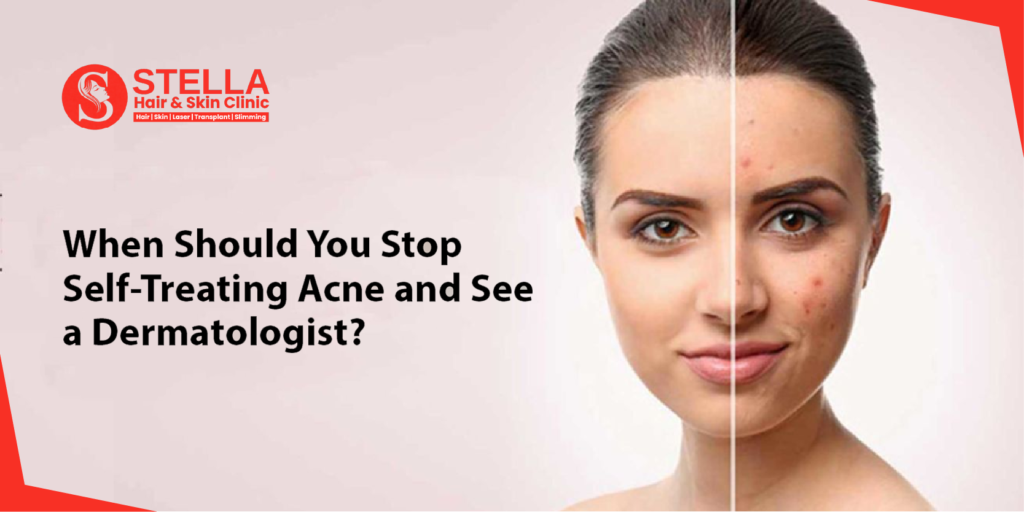
Acne is stubborn, and most pharmacy shelves aren’t built for this stubbornness. The cleansers, spot treatments, and toners have their place, but they’re designed for mild, occasional breakouts. If you’ve been consistent for months and still aren’t seeing real change, the products probably aren’t the problem. You’ve just hit the limit of what they can do, and it’s time to get proper acne skin treatment in Bhubaneswar. The professionals can look at what’s actually causing your breakouts and give you a treatment plan that targets the real cause.
Table Of Contents
- When Should You See a Dermatologist for Acne?
- When Do Over-the-Counter Products Stop Being Enough?
- Is It Normal for Acne to Keep Coming Back Even After Trying Different Treatments at Home?
- Are There Any Signs That My Acne Might Leave Permanent Scars?
- What Happens When You Finally See a Specialist?
- Where Can I Get Reliable Acne Skin Treatment in Bhubaneswar?
When Should You See a Dermatologist for Acne?
So, how do I know if my acne is serious enough to see a dermatologist? This is the question most people sit with for too long. Acne doesn’t have to be extreme to deserve proper attention. If it’s been months, it keeps coming back, or it’s leaving marks behind; home treatments have probably taken you as far as they can. A dermatologist isn’t only for worst-case skin. They’re for anyone whose skin simply isn’t responding. A few clear signs it’s time to stop waiting are:
- Breakouts that haven’t improved after two to three months of consistent effort.
- Pimples that are painful or sore are not just a cosmetic issue.
- Deep cystic bumps sit under the skin rather than on the surface.
- Acne spreads beyond the face to the chest, back, or shoulders.
- Skin that stays red, inflamed, or sensitive regardless of your routine.
When Do Over-the-Counter Products Stop Being Enough?
Six to eight weeks is the general cutoff. If a product hasn’t shown real improvement by then, it won’t. Continuing past that point usually means the skin needs something stronger than what’s available over the counter.
There’s also the issue of overloading. Too many active ingredients at once can break down the skin barrier, and the resulting irritation often gets mistaken for more acne. More products go on, and the cycle continues.
Over-the-counter products have their place, but it’s maintenance, not treatment. When breakouts are persistent and nothing is settling, it’s time for a different approach.
Read This Next: Glutathione IV Drip Therapy is your secret weapon for achieving radiant and youthful skin.
Is It Normal for Acne to Keep Coming Back Even After Trying Different Treatments at Home?
Yes, and it’s one of the more frustrating parts of dealing with acne.
Recurring breakouts usually have an underlying trigger. Hormonal fluctuations are common, especially in adult women who notice a predictable pattern around the jawline or chin. Stress, diet, and sleep all play a role, too.
Home treatments work on the surface. They can reduce bacteria or control oil, but they can’t identify what’s actually driving the cycle. A dermatologist can look at the full picture and build a plan around the cause, not just the symptoms. Recurring acne isn’t a sign that nothing will work. It usually means the right approach hasn’t been found yet.
Are There Any Signs That My Acne Might Leave Permanent Scars?
Surface-level whiteheads and blackheads rarely leave permanent marks. It’s the deeper, inflamed types that damage the skin’s tissue. Once a scar forms, treating it is a much bigger process than preventing it in the first place. Watch for these signs:
- Deep, painful lumps under the skin that don’t come to a head.
- Breakouts that leave behind dark patches or uneven texture after they heal.
- Acne that has already left pitted or raised marks.
- Skin that takes weeks to return to normal after a breakout.
Picking makes things worse, even with mild breakouts that wouldn’t normally scar. It’s worth breaking the habit sooner rather than later. The simplest way to avoid scars is early treatment. Waiting until they appear means dealing with two problems at once.
What Happens When You Finally See a Specialist?
The first appointment is pretty low-key. The dermatologist examines your skin and walks through some questions about your lifestyle, routine, and medications. Only after that does any kind of treatment plan come together.
Treatment from there is built around your specific skin, not a generic formula. It might include:
- Prescription-strength topical treatments that are far more targeted than anything available over the counter.
- Oral medications for acne driven by hormones or bacteria.
- In-clinic procedures like chemical peels work on the skin at a deeper level than home treatments.
- Guidance on which products to keep using and which ones to stop.
Where Can I Get Reliable Acne Skin Treatment in Bhubaneswar?
If you’ve tried what you can at home and the breakouts are still showing up, a skin specialist can take it from there.
Stella Clinic offers acne treatment in Bhubaneswar, with plans built around each patient’s skin type and specific concerns. Whether the issue is active breakouts, recurring hormonal acne, or early signs of scarring, the approach is worked out after a proper assessment, not before.
The Bottom Line
Most people wait longer than they should. Another product, another routine, the same result. Acne that keeps coming back, hurts, or leaves marks isn’t a skincare problem anymore. It’s a skin health problem, and that’s what a dermatologist is for. Stella Clinic offers acne treatment in Bhubaneswar, built around each patient’s specific skin. Contact us to book your session and find out what a proper treatment plan looks like for your skin specifically.
Frequently Asked Questions
- Can I treat acne permanently with over-the-counter products?
OTC products can manage mild breakouts, but they aren’t designed to address the underlying causes of persistent acne.
- How many sessions does acne treatment usually take?
It varies depending on the type and severity of acne, but most patients start seeing noticeable improvement within a few weeks of starting a proper treatment plan.
- Is professional acne treatment safe for sensitive skin?
Yes, a dermatologist will assess your skin type before recommending anything, so the treatment is built around what your skin can tolerate.